

12. 22. 2025
How to Clean Brake Calipers?
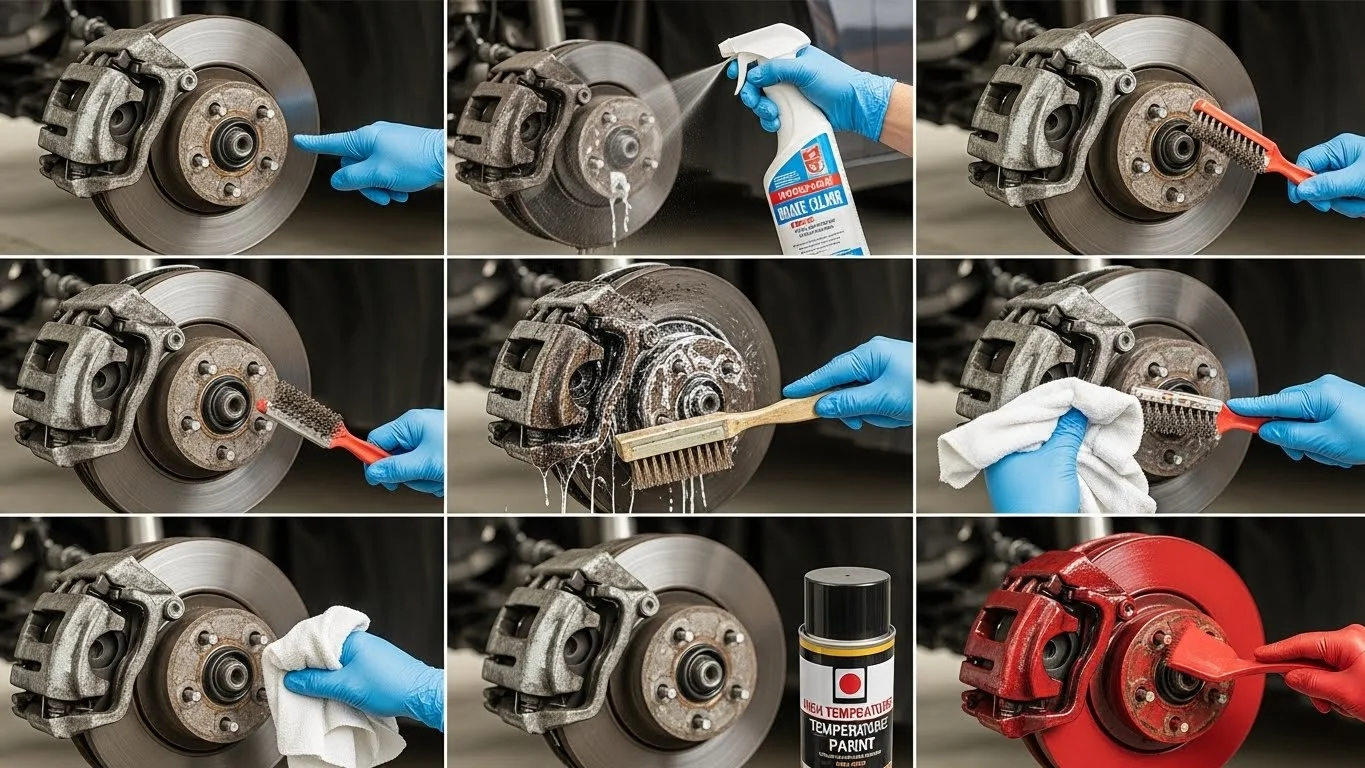
Cleaning brakes regularly is key to avoiding costly repairs in the future, such as squealing and grinding noises, as well as being able to inspect both caliper and rotor for signs of wear and tear.
Brake cleaner is an aerosol product specifically designed to break down grease, oil, brake dust and other contaminants found on brake components. There are both chlorinated and non-chlorinated forms available.
1. Remove the Caliper
Brake calipers are an integral component of disc brake systems, and play an essential role in maintaining your car’s stopping power. When you press on the brake pedal, calipers compress, applying pressure through piston(s) to brake pads that create friction with brake rotors to slow or stop vehicle motion.
One single brake caliper may cost as much as $100 depending on the car you own, so keeping them clean and properly maintained to ensure optimal performance is essential. You can do this by flushing out brake fluid regularly, cleaning pistons and slide pins, and replacing seals as necessary.
Before beginning, ensure your vehicle is raised on jack stands and supported properly. Remove any caliper mounting bolts before carefully prying off of its attachment to the brake rotor.
2. Remove the Brake Pads
Most brake pads feature metal wear indicators that squeal when they begin to thin out, and replacing brake pads when they reach one-eighth of an inch thick should be considered a priority. If using a dual piston caliper, be sure to retract its piston before installing new pads.
TRP suggests Isopropyl Alcohol (IPA) for cleaning as it will not damage o-rings and seals. Once you have sprayed it onto your caliper, use a brush to scrub any accessible areas where dirt has caked on or remained. Once clean, your caliper should easily slide over its pad – otherwise re-piston it. Don’t forget to install and tighten its slider bolt afterwards!
3. Remove the Brake Line
Brake calipers are an integral component of your vehicle’s braking system, serving to compress brake pads against the rotor in order to slow and stop your car.
Brakes often wear out with age and use, but with proper maintenance they can remain in good working order. A common issue is caliper sticking, leading to uneven wear on brake pads and decreased performance.
A brake caliper rewind tool is a specialized, yet relatively affordable piece of equipment designed to push back the piston inside of a caliper. These can be found both online and at car parts stores; vice grips may also work but be careful not to damage piston seals or slide pins when performing this task.
4. Remove the Brake Disc
A brake disc (also referred to as a rotor) is a round metal disk attached to both wheels and axles. When applying brakes, hydraulic pressure from your master cylinder causes hydraulic caliper(s) to squeeze brake pads against this surface area of the disc creating frictional resistance that slows and eventually stops your car.
Brake discs can become damaged through various means, including corrosion, surface roughness and lateral run-out. Machining of brake discs may help address some of these problems.
Assemble the rotor correctly and secure any anti-rattle springs. Spray and clean with Muc-Off Brake Disc Cleaner to ensure it is free from sludge; carefully install onto hub being sure not to strip threads.
5. Spray the Caliper
A brake caliper is an integral component of your vehicle’s braking system, housing brake pads and hydraulic pistons that press against the disc to create friction that slows or stops your vehicle.
When the driver presses the brake pedal, hydraulic pressure from the master cylinder is transmitted through to the caliper and causes pistons to move outward, applying pressure against the rotor and slowing or stopping your vehicle. Friction between brake pads and rotor converts kinetic energy into heat energy that slows or stops your car.
When it’s time to clean your calipers, begin with a high-quality brake cleaner spray. Aim carefully through wheel gaps and spray generous amounts of cleaner onto any remaining dirt; use a small brush if any stubborn grime remains before polishing up with another small amount of cleaner.
6. Gently Scrub the Caliper
Brake calipers are an integral component of your vehicle’s disc brake system, working to squeeze brake pads against the rotor to slow and stop your vehicle. As they’re exposed to extreme temperatures and corrosion risks, regular maintenance should be performed in order to keep them in proper working condition.
Assemble and reattach the brake line. Reassemble and paint your caliper as soon as it has been thoroughly scrubbed – this will protect it from the elements, while adding aesthetic value; aim for a glossy finish!
7. Rinse the Caliper
Once your caliper is clean, use Muc-Off Brake Disc Cleaner to spray down and cleanse the rotor/disc. This will remove any surface contaminants before wiping and drying the caliper with a microfiber towel. When this step is complete, reinsert brake pads with anti-rattle springs secured for extra security.
Re-lubricate caliper brackets and guide pins using Molybdenum Disulfide Lube (Wagner #F132005). Failing to properly clean and lubricate calipers is often the source of brake noise and premature wear; once everything has been cleaned and lubricated properly, your caliper will be ready for painting or wrapping.
Conclusion
It’s about maintaining reliable stopping power and extending the life of your entire braking system. Always use the right cleaners and tools, take your time during reassembly, and lubricate key components before wrapping up. A clean, well-maintained caliper means smoother braking, better performance, and a safer drive — every time you hit the road.
No Comment Yet! You can post first response comment.