

05. 10. 2026
Car Won’t Start But Battery Is Fine
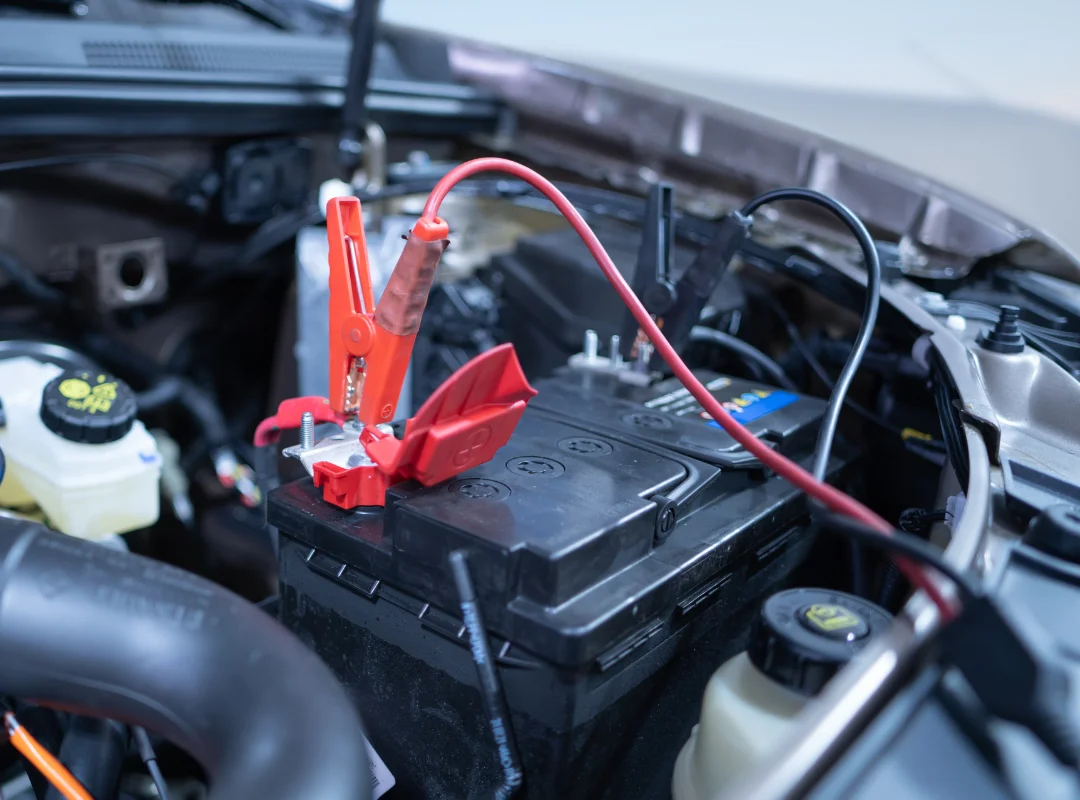
You could potentially repair your car if you hear one loud click or rapid clicking in lieu of engine cranking. A possible cause might include an ignition switch malfunction, loose battery connections or corrosion on battery terminals.
Fuses can also be a major source of issues. Check for signs such as burnt smell or discoloration near the fuse box or on its components to identify issues.
Check the Battery
Car batteries are designed to power your engine, but they can quickly lose power due to temperature shifts, leaving headlights on overnight or an alternator malfunction. Repetitive jump starts can damage lead-acid batteries so only jump start it if you feel confident in your abilities or are willing to pay for roadside assistance services.
If your battery is low on juice, a simple test can reveal its condition. Turn on your headlights for about one minute, observing whether they dim or flicker. If they begin to do so, your battery has lost the capacity to power your starter motor and will need replacement soon.
A car’s ignition system consists of various components that connect its battery, key, starter motor and spark plugs to each other – from keys and starter motor to spark plugs and spark plugs. A malfunctioning ignition can result in anything from difficulty starting the engine all the way through to stalling while driving.
A good battery typically lasts three to five years, and you can quickly and accurately assess its strength and health with a voltage test. Interstate offers quick and accurate voltage tests in any location where their product is sold; regular testing at oil changes is an ideal way to stay ahead of any battery-related issues and avoid dead cars!
Check the Connections
If your battery is fully charged but you still hear rapid clicking when pressing the start button, there could be another issue in your electrical system. A malfunctioning ignition switch sends power from key or start button to engine starter and can prevent your vehicle from starting despite having fully charged batteries.
Over time or under stress conditions such as having a heavy keychain hanging from ignition can wear this switch out over time causing it to malfunction; other signs include dashboard lights flickering and random stalling.
At Crawley Mobile Tyres team, our experts can inspect battery:
- Fluid levels
- Posts
- Fuses
- Cables
- Voltage
- Cold cranking amps (CCA)
- Alternators
For potential issues and offer guidance as to what needs to be done next – helping Crawley drivers find solutions to their car-starting troubles. Our professionals have assisted countless drivers in Crawley find solutions.
Check the Ignition
Ignition systems send a signal to power the starter motor and ignite fuel for engine combustion. A malfunctioning ignition switch can prevent this process from taking place; thankfully it’s usually easy to spot when this problem arises. Furthermore, improper functioning can prevent shutoff of fuel after starting up your car, potentially resulting in it stalling during driving.
If the battery is fully charged and the ignition wires connected properly, but your engine still refuses to start, the issue could lie with either the starter itself or its solenoid attached to it. These parts can often fail without warning due to wear-and-tear, manufacturing defects or simply their poor design.
The starter motor is the small electric motor responsible for starting an engine when you turn the key. If left on overnight without being maintained properly or exposed to extreme temperatures or age-related wear and tear, its condition could become compromised and lead to premature failure – such as due to an electrical short or failures such as blown fuse or relay cutting off power to it.
A voltmeter can help detect its status and ensure electricity reaches it; corrosion on terminals or loose wires could prevent power from reaching its intended target, potentially harming or blocking its efficiency and condition over time.
Check the Starter
The starter is an electric motor used to crank the engine to generate compression and start your car. If either it or its solenoid fails, your car won’t crank or start. You can detect whether a starter is defective by listening for a strained whirring noise and looking for square stubs at either end of its pinion that mesh with the flywheel when spinning.
If hearing these but no engine cranking occurs then probably its pinion has become jammed in mesh with its flywheel; in which case using a spanner may work to free it up again. Unless there is an audible click, if there is no battery charge then the battery may have become swollen and be releasing acid. Do not attempt to jump-start a swollen battery; contact roadside assistance instead.
If the battery is good:
- Check that electrical current is flowing to the starter (see Testing the Battery and Connections).
- Connect a test lamp between the output terminal of the solenoid and earth.
- Preferably the engine-to-body earth strap
- Working the starter switch should make the lamp glow.
Otherwise there may be wiring problems between battery, solenoid, engine and starter which require cleaning and repeating the tests.
Conclusion
If your car will not start but the battery appears to be fine, the issue may stem from faulty connections, a failing ignition switch, blown fuses, or a defective starter motor. Paying attention to warning signs like clicking noises, flickering dashboard lights, or unusual sounds can help narrow down the problem.
Regular vehicle inspections and prompt diagnosis are key to avoiding unexpected breakdowns. If you are unsure of the cause, seeking professional assistance can save time, prevent further damage, and get you safely back on the road.
No Comment Yet! You can post first response comment.