

06. 8. 2026
What to Do If I Get a Flat Tyre at Home
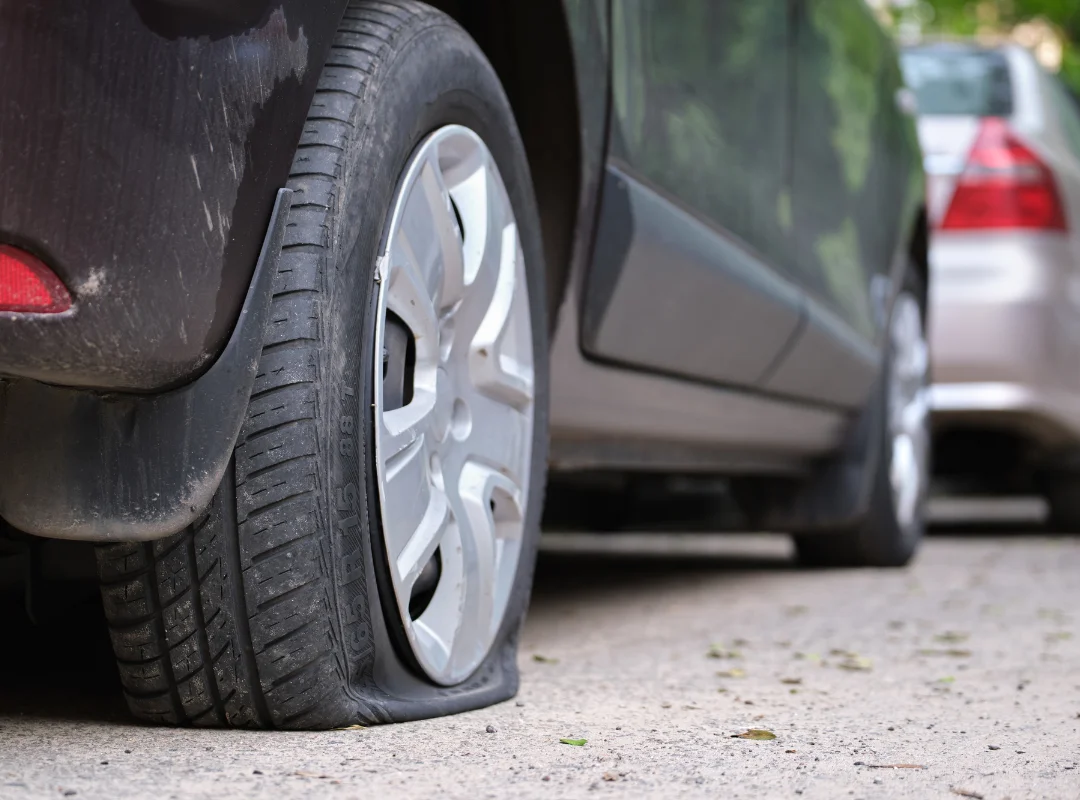
An unexpected flat tire can be an immense source of inconvenience and even cause irreparable damage to both wheel and tire.
As soon as a puncture occurs, pull over to a safe location away from traffic. Turn on your hazard lights and assess the situation. If possible, replace the tire immediately; alternatively use Fix-a-Flat sealant temporarily plug punctures and reinflate your tire.
Check the Pressure
Regular tire pressure checks should be an integral part of your maintenance regimen, and the easiest way to do this is with an air pump or compressor at home. A tire repair kit often contains sealant and air compressor; fixing flat tires in this manner may be easier.
Setting your tire pressure correctly can improve fuel economy, prevent uneven wear on tread, and ensure proper vehicle operation. Unfortunately, it can become common for tires to lose pressure over time as a result of cold weather or normal aging and permeation through small holes in rubber (similar to water seeping through wet towels).
To check the air pressure of your tires, first remove and store away the valve cap from each tire, before pressing a tire pressure gauge against its valve stem to read its pressure readings on a gauge. If low air pressure occurs, fill your tire up at either an auto parts store or gas station to increase it accordingly.
Before driving on any terrain, it’s best to check the tire pressure when they are cold – preferably first thing in the morning – otherwise friction from driving may have already heated them up and caused inflation.
Inspect the Rim
A flat tyre will generate vibrations, thumping noises and, if equipped with a Tyre Pressure Monitoring System, an alarm on the dashboard – all signs that indicate it needs examining for nails, screws or glass punctures. Even without punctures present, its air may have leaked due to damage or corrosion to valve stem seals; non-functioning wheel rim seals; age related loss of air pressure loss in its tires – among other possible sources.
Turn on your hazard lights to notify other drivers, and steer safely towards a parking lot, wide side street or rest area of the road. Never drive on a flat tyre for too long as this could damage its rim, brakes and suspension components.
Use a soapy sponge to inspect the surface of the tyre, looking out for bubbles that indicate where air may have leaked through punctures. If you don’t have access to one of these, immersing the tyre in a tub of water could help detect slow leakage from its bead and hissing sounds; otherwise you will require roadside assistance immediately.
Check the Tyre Pressure
Before traveling long distances, it’s essential that your tires are at an ideal pressure. Underinflated tires may contact the road directly and create friction which weakens their rubber components – not only will this compromise suspension performance but it can also hamper steering and braking capabilities.
If you own a tire pressure gauge, testing its pressure is simple: just remove the cap from the valve stem and press your gauge against it – the air pressure will then appear on either its screen or dial. For added accuracy, apply light pressure directly onto the tire: when properly inflated tires have some give, they should quickly rebound back when squeezed gently.
For accurate tire pressure readings, it’s best to do your checks when the tires are cold – preferably first thing in the morning. Furthermore, three hours should elapse between your last drive and checking tire pressure so as to allow time for cooling down of tires.
Home air pumps or gas stations with this service provide air pumps for this service, with specific types of air recommended by placard or owner’s manual for your vehicle. You may also consider buying aerosol tire fillers such as Fix-a-Flat to temporarily seal punctures in your tire until professional services can replace or repair it as soon as possible.
Check the Tread
Flat tires can be an anxiety-inducing situation, regardless of whether they occur on the road or your own driveway. Therefore, it’s wise to prepare for them by learning the appropriate procedures should an incident arise.
First and foremost, always inspect your tires for foreign materials such as nails, glass fragments or bits of metal in the tread or sidewalls. Next, it is essential to regularly monitor tread depth with either a tread gauge or built-in wear bars within grooves of a tire’s grooves – these wear bars indicate when replacing is due – when your tread meets or touches these bars it is time for replacement!
If you don’t own a tire gauge or wear bars, coins can also help test tread depth. Simply place one quarter between each tire with George Washington’s head facing down; if the tread covers or exceeds his head then your tires are safe for proper traction and have sufficient depth. However, should any tread be below it or over it it would be advisable to visit a professional tire repair service for inspection and possible replacement or repair services.
No Comment Yet! You can post first response comment.